Alameda Aesthetic Dentistry
Dental Veneers in Oakland, CA

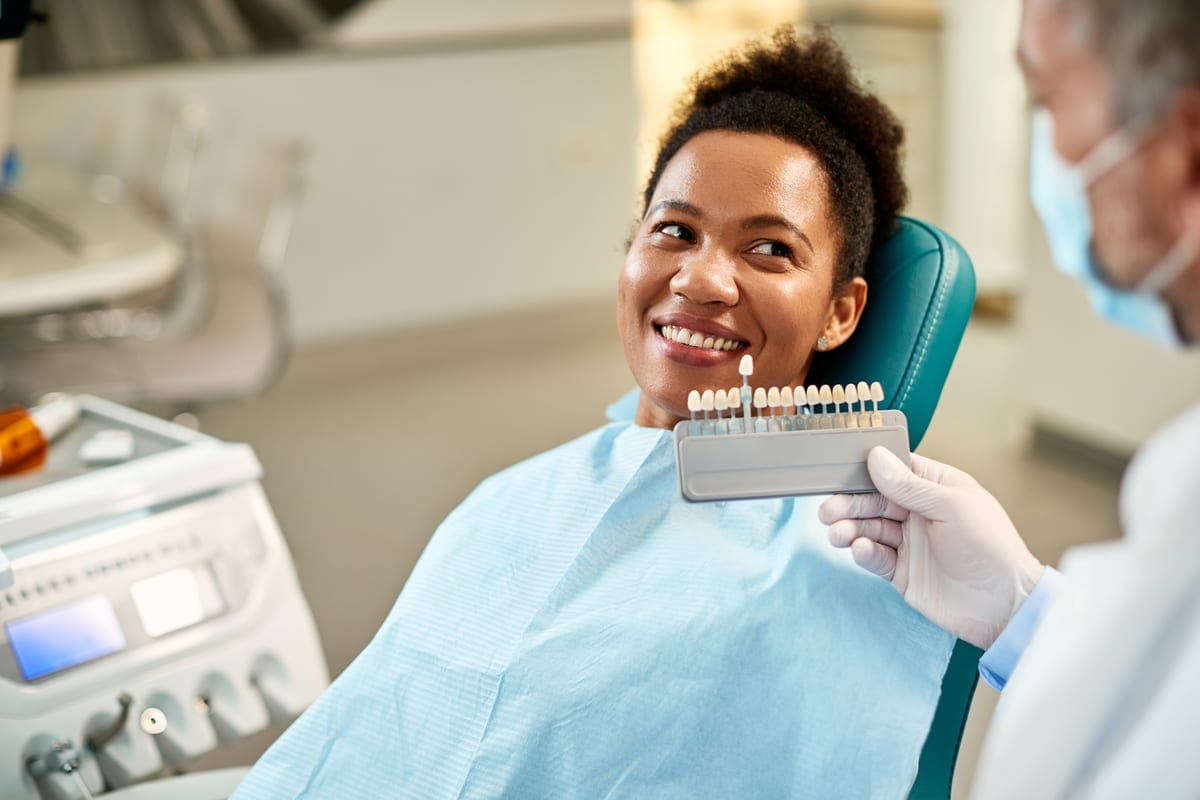
If you’ve been googling what dental veneers actually fix (and what they don’t) in Oakland, you’re not alone. Veneers are one of the most searched cosmetic dental treatments in the Bay Area. But there’s a lot of confusion about what they truly do. This guide breaks it all down clearly so you can make an informed decision for your smile.
At Alameda Aesthetic Dentistry, Dr. Piyush Sisodia helps patients from Oakland and the surrounding area understand their options. Education always comes before any treatment recommendation here.
What Are Dental Veneers, Exactly?
Dental veneers are thin shells made from porcelain or composite resin. They bond directly to the front surface of your teeth. Think of them as a custom-fitted cover that changes how your teeth look from the outside.
Porcelain veneers are the most popular choice. They’re durable, stain-resistant, and mimic the natural light-reflection of real enamel. Composite veneers are a more affordable alternative but may not last as long.
The process typically involves two to three appointments. During the first visit, Dr. Sisodia prepares the teeth by removing a small layer of enamel. This step is permanent, so the decision to get veneers is one to take seriously.
What Dental Veneers in Oakland Can Actually Fix
Veneers are a powerful cosmetic solution for many visible smile concerns. Here’s a clear list of what they genuinely address:
- Discoloration: Teeth that don’t respond to whitening treatments can be covered with veneers for a brighter look.
- Chips and minor cracks: Small chips from biting or minor surface cracks become invisible under a veneer shell.
- Gaps between teeth: Veneers can be sized to close small spaces between front teeth without orthodontics.
- Uneven or misshapen teeth: Teeth that are too short, too small, or irregularly shaped can be reshaped with veneers.
- Mild crowding or slight misalignment: In very minor cases, veneers create a straighter-looking smile without braces.
- Worn enamel: Teeth that look dull or flattened from grinding can regain a natural shape and shine.
These fixes are all cosmetic in nature. Veneers change the appearance of the tooth without treating anything structurally underneath.
Many Oakland patients choose veneers after exploring teeth whitening first. If staining runs deep into the tooth’s structure, whitening won’t reach it. Veneers cover the problem completely and last years longer than a whitening treatment.
What Veneers Cannot Fix — Be Clear on This
Understanding the limits of veneers is just as important as knowing their benefits. Veneers are not a solution for every dental problem. Here’s what they simply cannot address:
- Tooth decay: If a tooth has active decay, it must be treated first. Placing a veneer over decay leads to bigger problems later.
- Gum disease: Unhealthy gums need treatment before any cosmetic work begins. Veneers won’t mask gum inflammation or infection.
- Severely broken or cracked teeth: A tooth with major structural damage needs a Dental Fillings assessment or a dental crown — not a veneer.
- Missing teeth: Veneers only work on existing teeth. A missing tooth requires a solution like Dental Implant Guided Surgery to replace the root and crown.
- Severe misalignment or bite problems: Significant crowding or jaw alignment issues need orthodontic treatment. Veneers used in these cases may crack or fail early.
- Teeth grinding (bruxism): If you grind your teeth heavily, veneers are at high risk of chipping. The underlying grinding habit must be addressed first.
Dr. Sisodia takes time to evaluate each patient’s full oral health before recommending veneers. The goal is always a result that lasts and supports long-term dental health.
Are You a Good Candidate for Veneers?
Not every patient asking about veneers in Oakland is ready for them right away. The ideal candidate has healthy teeth and gums with no active disease. They also have enough natural enamel remaining for proper bonding.
Dr. Sisodia will review your full dental history during a consultation. He’ll check for signs of grinding, bite issues, or decay. Only after that full picture is clear does a veneer conversation make sense.
Age and lifestyle also matter. Younger patients whose teeth are still developing may need to wait. Patients who smoke heavily or drink lots of coffee should know that porcelain veneers resist staining, but composite ones may discolor over time.
The best candidates are those with realistic expectations. Veneers improve appearance dramatically. But they are not a substitute for good oral hygiene or a solution for structural dental problems.
What to Expect During the Veneer Process at Alameda Aesthetic Dentistry
The veneer process is straightforward when you work with an experienced dentist. Here’s what the typical journey looks like:
- Consultation: Dr. Sisodia evaluates your teeth, discusses your goals, and determines whether veneers are appropriate for your case.
- Preparation: A thin layer of enamel is gently removed from the tooth surface to make room for the veneer shell.
- Impressions: Detailed impressions or digital scans of your teeth are sent to a dental lab for custom fabrication.
- Temporary veneers: You’ll wear temporary veneers while your permanent ones are being made.
- Bonding: Once your custom veneers are ready, Dr. Sisodia carefully bonds them to your teeth and checks your bite.
The entire process usually takes two to three weeks from start to finish. Most patients describe the experience as comfortable and the results as life-changing for their confidence.
Caring for Your Veneers After the Procedure
Veneers are durable but not indestructible. With proper care, porcelain veneers can last 10 to 15 years or longer. The habits you build after placement directly affect how long they last.
Brush twice a day with a non-abrasive toothpaste. Floss daily around each veneer. Visit Dr. Sisodia for regular checkups and cleanings so any early issues are caught quickly.
Avoid biting hard objects like ice, pens, or fingernails. If you grind your teeth at night, ask about a custom night guard. Protecting your veneers protects your investment in your smile.
Conclusion: Know What You’re Getting Before You Commit
Veneers are one of the most effective cosmetic dental treatments available in Oakland. They fix discoloration, chips, gaps, and shape issues beautifully. But they are not a cure for decay, missing teeth, or structural damage. Understanding what dental veneers actually fix — and what they don’t — helps you walk into your consultation with confidence. Dr. Sisodia and the team at Alameda Aesthetic Dentistry are here to give you honest, patient-centered guidance every step of the way. Book Now to schedule your appointment with our team.
Frequently Asked Questions
How long do dental veneers last?
Porcelain veneers typically last 10 to 15 years with proper care. Composite veneers may last 5 to 7 years. Regular dental checkups and good oral hygiene extend their lifespan significantly.
Do veneers require removing a lot of tooth structure?
Only a very thin layer of enamel is removed — usually less than a millimeter. This is enough to ensure the veneer sits flush with surrounding teeth. The process is minimally invasive but is considered permanent.
Can veneers be whitened if they become stained?
Porcelain veneers do not respond to traditional whitening treatments. However, porcelain is naturally stain-resistant. If composite veneers discolor, they can be polished or replaced by your dentist.
What happens if a veneer chips or falls off?
Contact your dentist right away if a veneer chips or detaches. In many cases, it can be repaired or rebonded. Avoid chewing on that side until you’re seen by Dr. Sisodia.
Are veneers the same as dental crowns?
No — veneers only cover the front surface of a tooth. Crowns cap the entire tooth and are used when there is significant structural damage. Dr. Sisodia will recommend the right option based on your specific needs.