Alameda Aesthetic Dentistry
What Happens During Each Stage of Braces: A Patient’s Step-by-Step Guide

Understanding what happens during each stage of braces is one of the best things you can do before starting treatment. Many patients in Alameda feel nervous simply because they do not know what to expect. This step-by-step guide breaks the entire process down clearly. Whether you are considering braces for yourself or a loved one, this article will help you feel confident and prepared.
At Alameda Aesthetic Dentistry, Dr. Piyush Sisodia and his team believe informed patients have better outcomes. Knowing each phase in advance makes the journey much smoother. Let us walk through every stage together, from your very first consultation to the day your braces come off.
Stage One: Your Initial Consultation and Treatment Planning in Alameda
Every orthodontic journey begins with a thorough consultation. During this visit, Dr. Sisodia examines your teeth, jaw alignment, and bite. He uses digital X-rays and intraoral photos to get a complete picture of your oral health. This information shapes your personalized treatment plan.
You will also discuss which type of braces suits your needs best. Traditional metal braces, ceramic braces, and clear aligners like Invisalign are all options worth exploring. The team explains the pros and cons of each choice clearly. No question is too small during this stage.
Before braces go on, your mouth needs to be in great shape. That often means scheduling a professional cleaning first. Reviewing Dental Care Essentials Alameda can help you understand the foundation of good oral hygiene before treatment begins. Healthy gums and teeth respond better to orthodontic movement.
- Digital X-rays and bite analysis
- Review of all brace options available
- Discussion of treatment length and goals
- Pre-treatment cleaning and any necessary dental work
Stage Two: Bonding Your Braces and the First Adjustment Period
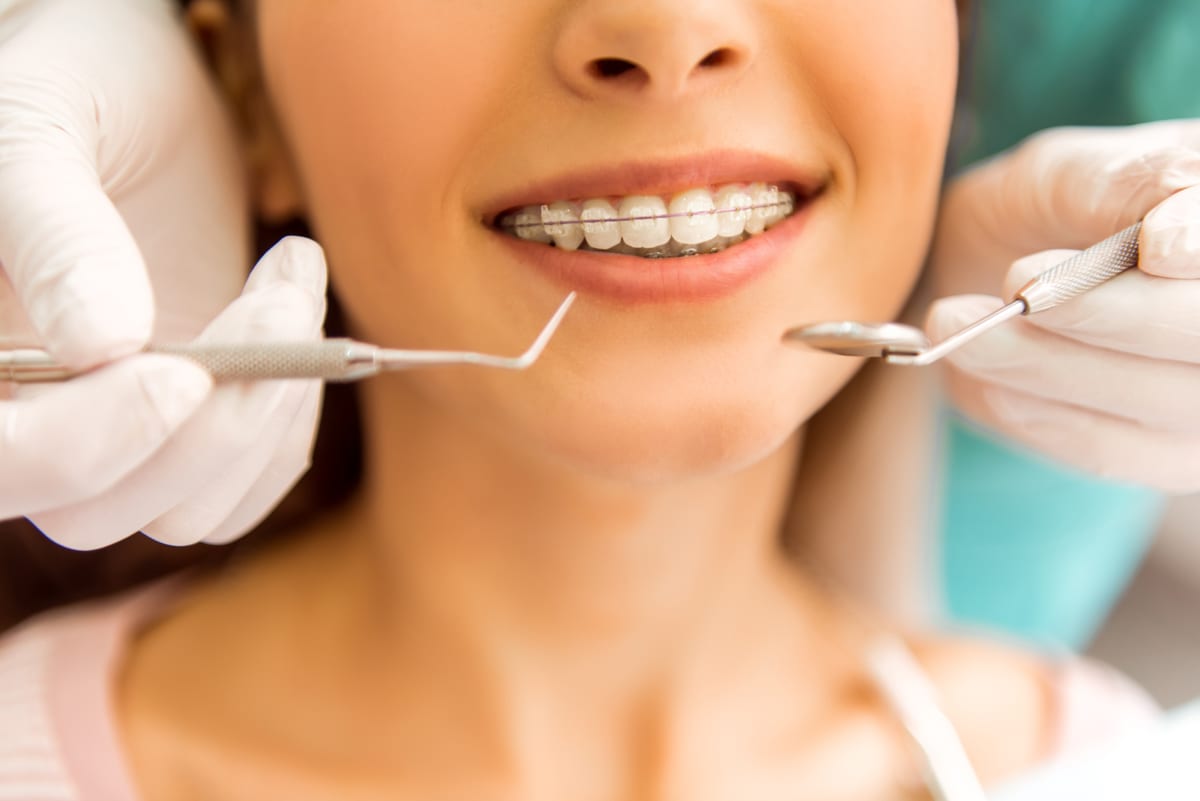
Once your treatment plan is finalized, your next appointment involves bonding the braces to your teeth. This process typically takes between one and two hours. The dentist cleans and dries each tooth carefully before applying a special adhesive. The brackets are then positioned precisely and cured with a blue light.
After the brackets are set, an archwire is threaded through them and secured with small elastic ties. You will feel pressure almost immediately after the wire is placed. This pressure is completely normal and is the force that gradually moves your teeth. Most patients describe it as a dull ache rather than sharp pain.
The first few days after bonding are often the most uncomfortable. Your cheeks and lips need time to adjust to the new hardware. Dental wax can be applied to any bracket causing irritation. Over-the-counter pain relief helps most patients manage this stage comfortably.
- Eat soft foods like yogurt, soup, and mashed potatoes
- Avoid hard, sticky, or crunchy foods that could damage brackets
- Rinse with warm salt water to soothe sore gums
- Use orthodontic wax on any sharp or irritating brackets
Stage Three: Regular Adjustment Appointments Throughout Alameda Treatment
After your braces are placed, you will return to the office every four to eight weeks for adjustments. These appointments are shorter, usually lasting about thirty minutes. During each visit, Dr. Sisodia replaces the archwire or tightens the existing one. This continued pressure guides your teeth into their correct positions gradually.
Each adjustment moves your teeth a tiny but meaningful amount. You may feel soreness for two to three days after each appointment. This discomfort signals that your teeth are responding well to treatment. The soreness tends to lessen as treatment progresses and your body adapts.
Your team also monitors your gum health closely at every visit. Braces create more surfaces for plaque to collect. Excellent brushing and flossing habits become even more important during this stage. Dr. Sisodia’s team will demonstrate proper techniques to keep your mouth healthy throughout treatment.
Some patients also require additional dental work during this phase. For example, patients with missing teeth may eventually need restorative solutions. Learning about options like Dental Bridges Alameda early helps you plan ahead confidently.
Stage Four: Debonding — When Your Braces Come Off
The day your braces are removed is one of the most exciting moments in the process. This appointment is called debonding. Dr. Sisodia uses special pliers to gently squeeze and pop each bracket off your teeth. The process is quick and does not cause significant discomfort for most patients.
After the brackets are removed, any remaining adhesive is polished away. Your teeth are then cleaned and examined thoroughly. Patients often feel a strange smoothness with their tongue right after debonding. That sensation is perfectly normal and actually quite enjoyable after months of brackets.
Before you leave, impressions or digital scans are taken for your retainers. Retainers are critical to maintaining your results. Without them, teeth can shift back toward their original positions over time. Dr. Sisodia will explain exactly how long and how often to wear your retainer.
Stage Five: Retention and Keeping Your Smile Straight Long Term
Retention is the final and ongoing stage of orthodontic treatment. It is just as important as any step that came before it. Your teeth naturally want to drift back to where they were. Retainers apply gentle, consistent pressure to prevent that from happening.
Most patients receive either a removable clear retainer or a fixed wire bonded behind the front teeth. Some patients receive both. Dr. Sisodia customizes retention based on your specific tooth movement and bite. Following his recommendations carefully protects every week of effort you invested in treatment.
Many Alameda patients ask how long they need to wear retainers. The general answer is for life, though the frequency decreases over time. Initially, you may wear yours all day and night. After several months, wearing it only at night is usually sufficient.
Keeping up with regular dental visits during retention also matters greatly. Routine cleanings and check-ups help catch any minor shifting early. Dr. Sisodia and his team stay with you well beyond the day your braces come off.
Frequently Asked Questions
How long does the entire braces process take from start to finish?
Treatment length varies depending on the complexity of each case. Most patients wear braces for one to three years. Dr. Sisodia gives you a more precise estimate after your initial consultation and X-ray review.
Does getting braces bonded to your teeth hurt?
The bonding procedure itself is painless since no injections are needed. You may feel pressure and mild soreness within a few hours after the archwire is placed. This discomfort typically peaks at two to three days and fades on its own.
What foods should I avoid while wearing braces in Alameda?
You should avoid hard foods like raw carrots, nuts, and hard candies. Sticky foods such as caramel and chewing gum can pull brackets off. Cutting food into small pieces and chewing carefully protects your hardware throughout treatment.
How often do I need to come in for adjustment appointments?
Most patients visit the office every four to eight weeks during active treatment. Each appointment takes approximately thirty minutes. Consistent attendance at these visits keeps your treatment progressing on schedule.
Will I need a retainer after my braces are removed?
Yes, retainers are an essential part of every orthodontic treatment plan. Without a retainer, teeth can begin shifting back within weeks. Dr. Sisodia prescribes the retainer type and wear schedule that fits your unique situation best.
Starting orthodontic treatment is a meaningful investment in your health and confidence. Dr. Piyush Sisodia and the team at Alameda Aesthetic Dentistry are here to guide you through every single stage with care and expertise. You deserve a smile that lasts a lifetime. Book Now to schedule your appointment with our team.