Alameda Aesthetic Dentistry
What to Do Right Now If Your Tooth Just Cracked


A cracked tooth can happen without warning. One moment you’re enjoying a meal, and the next you feel a sharp snap. If you’re searching for what to do right now if your tooth just cracked in Alameda, you’re in the right place. This guide walks you through every step — from the first few minutes to your dental visit. Acting quickly and correctly can make a real difference in saving your tooth.
Why a Cracked Tooth Is a Dental Emergency
Not every crack looks dramatic. Some cracks are invisible to the eye but still cause serious damage. A cracked tooth exposes the inner layers of your tooth to bacteria, temperature, and pressure. Left untreated, even a hairline fracture can worsen quickly.
The pulp inside your tooth contains nerves and blood vessels. When a crack reaches that layer, pain can become intense. You may also notice sensitivity to hot, cold, or sweet foods. Swelling around the gum line near the tooth is another warning sign.
Knowing what to do right now if your tooth just cracked in Alameda can prevent a minor crack from turning into a much larger problem. Time matters here. The sooner you act, the more options your dentist has to restore your tooth effectively.
Immediate Steps to Take Right Now in Alameda
The first thing you should do is rinse your mouth gently with warm water. This helps clean the area and reduce the risk of infection. Do not use hot or cold water — extreme temperatures can increase pain significantly.
If there is any bleeding, apply gentle pressure with clean gauze. You can also use a cold compress on the outside of your cheek to reduce swelling. Hold it there for 10 minutes at a time.
Here is a quick checklist of what to do immediately:
- Rinse with warm water to clean the area
- Apply gauze if there is bleeding
- Use a cold compress on your cheek to reduce swelling
- Avoid chewing on the affected side
- Take an over-the-counter pain reliever like ibuprofen if needed
- Save any broken tooth pieces in a small container with milk or saliva
If your tooth completely broke and a large piece came off, preserve that fragment carefully. Your dentist may be able to use it during treatment. Place it in milk or your own saliva — not water — until your appointment.
What to Avoid After a Tooth Cracks
Avoiding certain behaviors is just as important as taking the right steps. Many patients unintentionally make things worse before reaching the dentist. Understanding what to avoid protects the tooth from further damage.
Do not chew on the side where the crack occurred. Even soft foods can deepen a fracture under pressure. Try to keep that area clear until you receive professional care.
Avoid using your tongue to probe the cracked area repeatedly. This can push bacteria further into the crack and irritate already sensitive tissue. It also increases the risk of swelling and infection.
Here are the key things to avoid after a tooth cracks:
- Eating hard, crunchy, or chewy foods
- Drinking very hot or very cold beverages
- Chewing on the affected side
- Using aspirin directly on the tooth or gum tissue
- Ignoring pain or swelling and delaying care
Placing aspirin directly on the gum is a common mistake. It does not relieve tooth pain and can actually burn soft tissue. Stick to swallowing pain relievers as directed on the packaging instead.
What Your Dentist Will Do to Treat a Cracked Tooth
Treatment depends on the size, location, and depth of the crack. Dr. Piyush Sisodia will examine your tooth carefully during your visit. Digital X-rays and a physical examination help identify how far the crack extends. You will receive a clear explanation of your options before any treatment begins.
For a minor surface crack, a simple bonding procedure may be all that’s needed. Your dentist applies tooth-colored resin to seal the fracture and restore the tooth’s appearance. This is one of the most straightforward solutions available.
For deeper cracks, a Dental Care Essentials Alameda approach may involve a dental crown to protect and stabilize the tooth. A crown covers the entire visible portion of the tooth. It prevents the crack from spreading and restores full chewing function.
If the crack has reached the pulp, root canal treatment may be necessary before placing a crown. This removes damaged tissue inside the tooth and eliminates infection. Root canal therapy has a high success rate and relieves pain effectively.
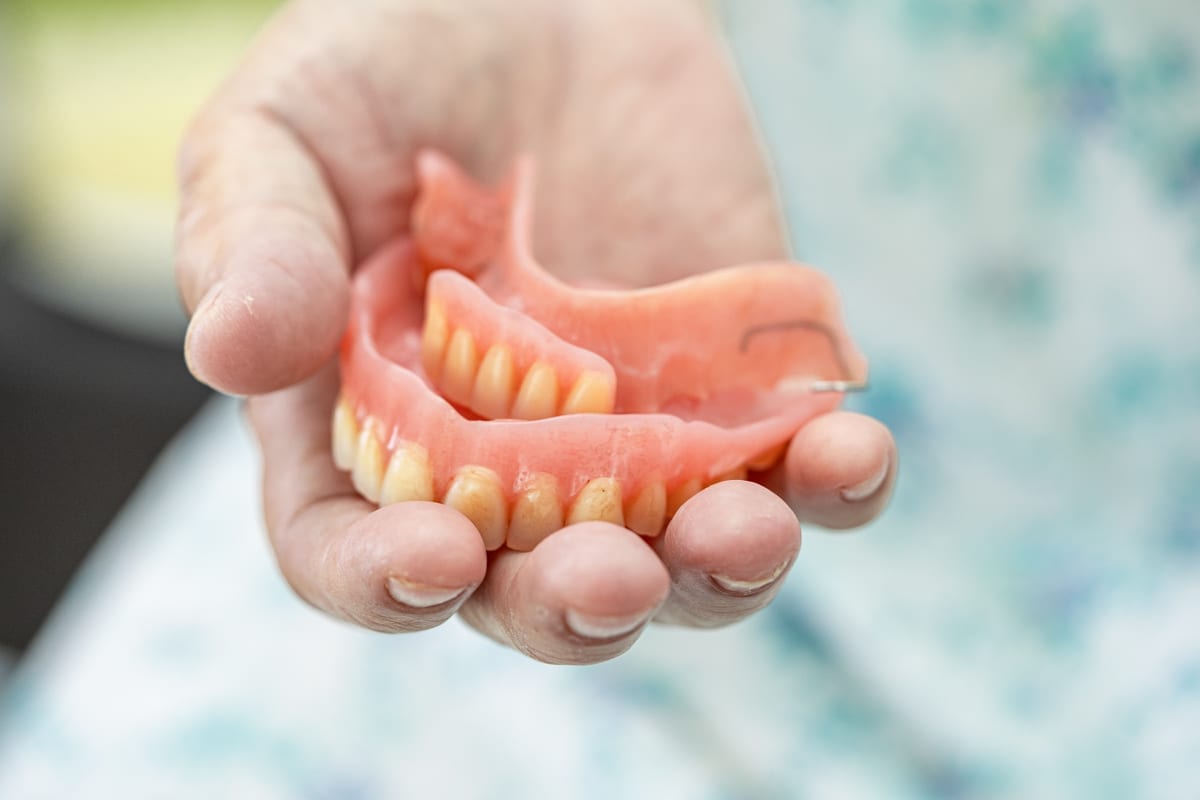
In some cases where the crack runs below the gum line, the tooth may not be salvageable. Your dentist will discuss tooth extraction and replacement options in that situation. A Dental Bridges Alameda solution is one effective way to restore your smile after tooth loss. Dental implants are another long-term option worth exploring with your care team.
When to Seek Emergency Dental Care in Alameda
Some situations require urgent attention that cannot wait for a routine appointment. Knowing the signs of a true dental emergency helps you act faster. Acting quickly in these moments can save your tooth and protect your overall health.
Seek same-day care if you experience any of the following:
- Severe, unrelenting tooth pain that does not respond to pain relievers
- Visible swelling of the jaw, face, or gum tissue
- Signs of infection such as fever or a bad taste in your mouth
- A large piece of tooth has broken off completely
- Bleeding that does not stop after applying gentle pressure
Alameda Aesthetic Dentistry welcomes patients dealing with dental emergencies. Dr. Sisodia and the team understand how stressful a cracked tooth can be. They will work to see you as quickly as possible and prioritize your comfort throughout your visit.
Protect Your Smile Before and After Treatment
Once your tooth is treated, you can take steps to protect your smile going forward. Wearing a custom night guard helps if you grind your teeth during sleep. Teeth grinding is a leading cause of cracks in otherwise healthy teeth.
Avoid biting down on ice, hard candies, or non-food items like pen caps. These habits put extreme stress on tooth enamel over time. Even strong, healthy teeth can crack under repeated pressure.
Regular dental checkups allow your dentist to catch small cracks before they become big problems. Preventive care is always more affordable and less invasive than emergency treatment. Scheduling routine visits twice a year is one of the best things you can do for your long-term oral health.
If you live in Alameda and are dealing with a cracked tooth right now, do not wait to get help. The team at Alameda Aesthetic Dentistry is ready to guide you through every step. Book Now to schedule your appointment with our team.
Frequently Asked Questions
Can a cracked tooth heal on its own?
No, a cracked tooth cannot heal on its own. Unlike bones, teeth do not regenerate or repair themselves. Without professional treatment, the crack will worsen over time. Seeing a dentist promptly gives your tooth the best chance of being saved.
How do I know if my tooth is cracked or just chipped?
A chip involves a small piece breaking off the outer surface. A crack extends deeper into the tooth and may not always be visible. Pain when biting or releasing pressure is a common sign of a crack. Your dentist can confirm the diagnosis with a thorough examination and X-rays.
Is a cracked tooth always painful?
Not always. Some cracks cause sharp pain, while others cause little to no discomfort at first. Pain may come and go depending on where the crack is and how deep it runs. Even a painless crack should be evaluated by a dentist before it worsens.
How long can I wait before seeing a dentist for a cracked tooth?
You should aim to see a dentist within 24 to 48 hours of noticing a crack. Delaying care allows bacteria to enter the tooth and increases the risk of infection. If you have severe pain, swelling, or fever, seek same-day emergency care immediately.
What happens if a cracked tooth is left untreated?
An untreated crack can deepen and spread with normal chewing pressure. The inner pulp may become infected, leading to an abscess. At that stage, root canal treatment or extraction may be the only options. Early treatment is always simpler, less invasive, and more cost-effective.