Alameda Aesthetic Dentistry
Your Whitening Results Don’t Have to Fade: Here’s Why

You invested time and effort into brightening your smile. Now you want those results to last. Your whitening results don’t have to fade — and here’s why that’s completely achievable in Alameda with the right habits and support. Understanding what causes fading is the first step toward keeping your smile luminous for the long haul. Dr. Piyush Sisodia and the team at Alameda Aesthetic Dentistry are here to help you do exactly that.
How Long Do Teeth Whitening Results Actually Last in Alameda?
Most professional whitening treatments deliver results that last anywhere from six months to three years. That’s a wide range — and it depends almost entirely on your daily habits. Patients who actively maintain their results tend to stay closer to the two-to-three-year end of the spectrum.
Over-the-counter whitening strips typically fade faster than in-office treatments. Professional-grade whitening goes deeper into the enamel, so it starts with a stronger baseline. But even the best treatment can’t override lifestyle choices that stain teeth over time.
The good news is that your smile doesn’t have to slowly dull between appointments. With a few targeted adjustments, you can significantly extend how long your results stay visible. That’s exactly what this guide is designed to help you understand.
The Habits That Shorten Your Whitening Results
Certain everyday habits are the biggest culprits behind premature fading. Knowing them helps you make smarter, more informed choices — not necessarily perfect ones, but more balanced ones.
Here are the most common habits that accelerate tooth staining after whitening:
- Coffee and tea: Both contain tannins that bind to enamel and leave behind yellowish pigments. Even one or two cups a day can noticeably dull your results over weeks.
- Red wine: Wine contains both tannins and chromogens — a double threat to whitened teeth. White wine is acidic and can actually make enamel more vulnerable to staining from other foods.
- Smoking and tobacco: Nicotine and tar penetrate enamel deeply. Smokers often see whitening results fade within just a few months.
- Dark sauces and berries: Soy sauce, balsamic vinegar, blueberries, and pomegranates are all deeply pigmented foods that contribute to surface staining.
- Acidic beverages: Citrus juices and sodas erode enamel, making it more porous and easier for stains to take hold.
You don’t have to eliminate everything on this list. Small adjustments make a real difference. For example, drinking coffee through a straw reduces direct contact with teeth. Rinsing with water after consuming staining foods is another simple but effective habit.
Practical Maintenance Tips to Protect Your Results
Maintaining your whitening results isn’t about restriction — it’s about building smart routines. The following strategies are easy to adopt and make a measurable impact over time.
- Brush within 30 minutes after staining foods or drinks. This removes surface pigments before they can settle into enamel. Use a soft-bristled brush to avoid wearing down your enamel.
- Use a whitening toothpaste twice daily. These formulas help prevent new stains from forming. They won’t dramatically re-whiten teeth, but they slow the fading process effectively.
- Floss every day. Staining compounds can accumulate between teeth just as easily as on the surface. Flossing removes this buildup before it becomes visible discoloration.
- Schedule regular professional cleanings. Even the most diligent home care leaves some buildup behind. Professional cleanings remove tartar and surface stains that brushing can’t address alone.
- Ask about touch-up whitening treatments. A short touch-up session every six to twelve months can refresh your results without starting from scratch.
Exploring Dental Care Essentials Alameda can also give you a broader picture of how routine dental habits support not just whitening, but your overall oral health. Maintenance is always easier when it fits into a larger wellness routine.
Why Professional Whitening Outlasts Store-Bought Options in Alameda
Many patients try store-bought kits first. They’re accessible and relatively affordable, but they come with real limitations. The active ingredient concentrations in over-the-counter products are significantly lower than professional treatments.
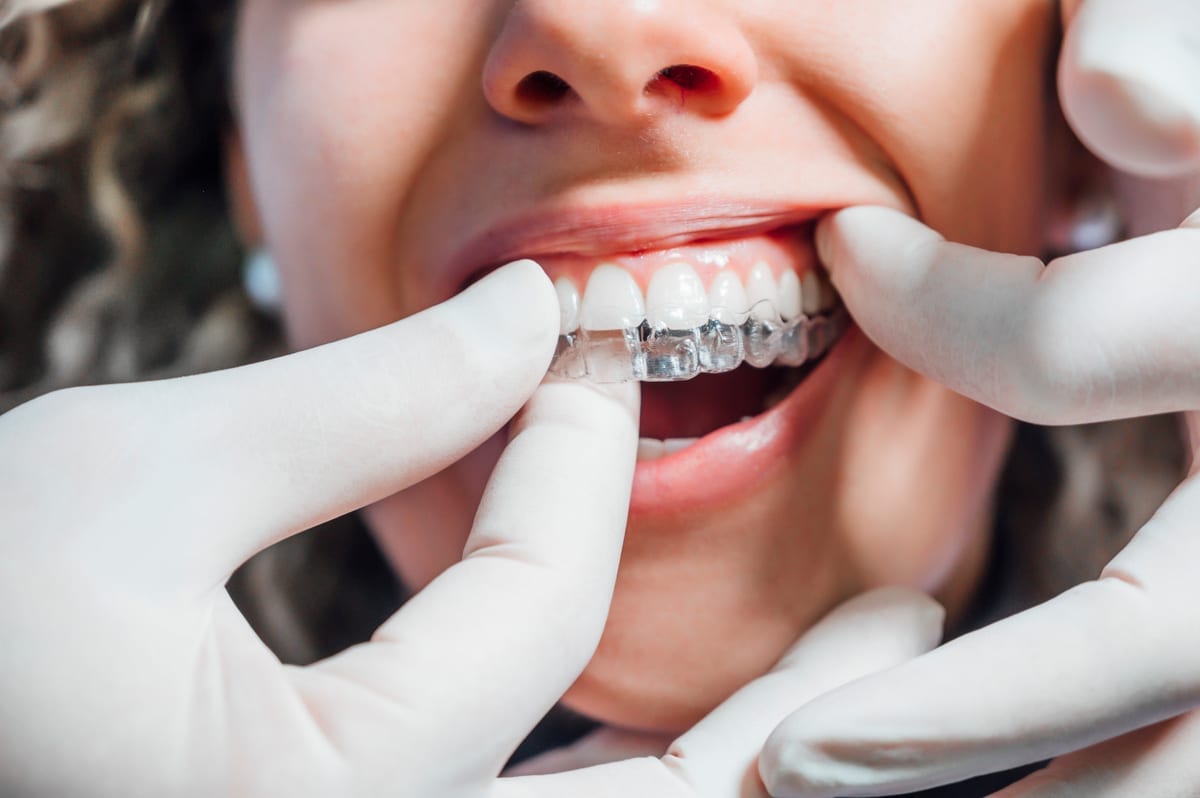
Professional whitening uses custom-fitted trays or in-office application techniques. This ensures the whitening agent reaches all tooth surfaces evenly. Uneven application is a common reason why store-bought results look patchy or wear off faster in certain areas.
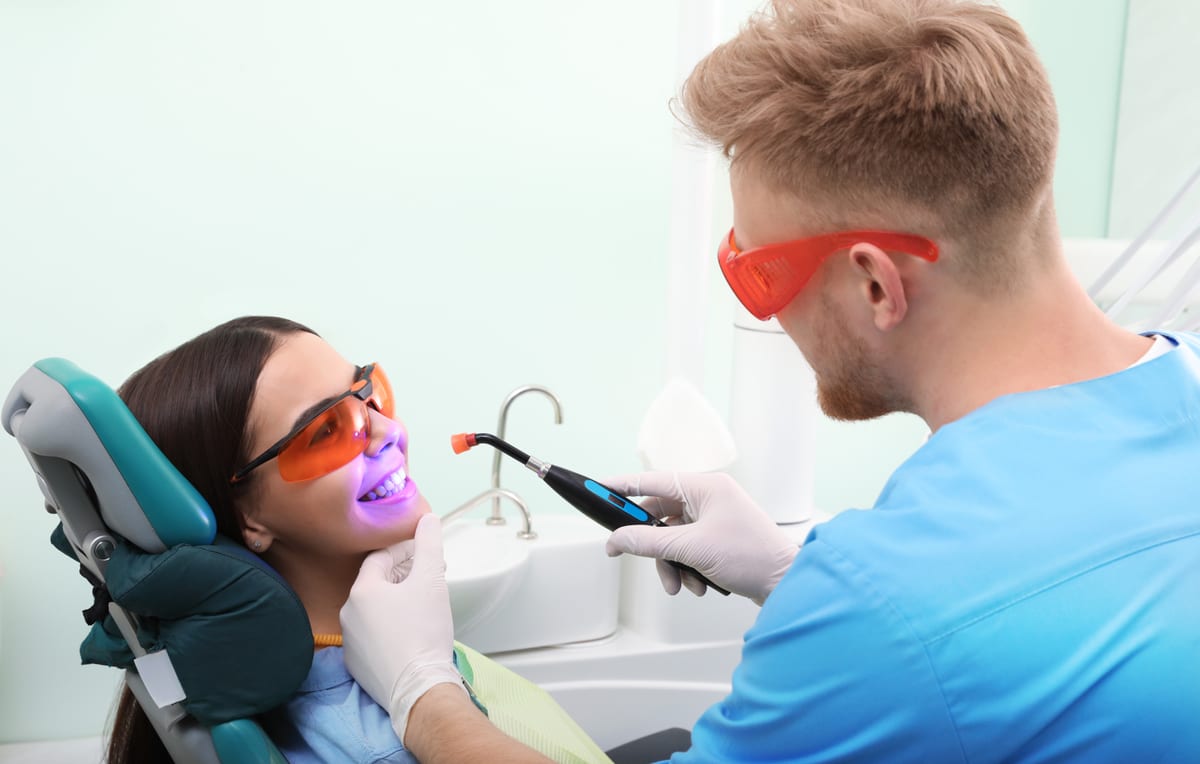
In-office treatments performed under professional supervision also protect your gums and soft tissue during the process. Sensitivity and irritation are much more common with unsupervised at-home kits. That protection matters for both comfort and the longevity of your results.
If you’ve also considered other cosmetic options like Dental Bridges Alameda, it’s worth discussing your full smile goals with Dr. Sisodia. A comprehensive plan often produces more durable and cohesive results than individual treatments done in isolation.
When to Schedule a Whitening Touch-Up with Dr. Sisodia
Most patients benefit from a touch-up every six to twelve months. But everyone’s situation is different. The right timing depends on your diet, lifestyle, and how your enamel naturally responds to whitening agents.
Watch for these signs that a touch-up may be due:
- Your teeth look noticeably more yellow or gray than right after treatment
- You’ve increased your coffee or wine intake recently
- A major event like a wedding or job interview is coming up
- It’s been over a year since your last whitening appointment
Touch-up sessions are typically shorter and require less product than the original treatment. They’re an efficient way to restore brightness without a full-length appointment. Dr. Sisodia can assess your enamel condition and recommend the most appropriate approach for your specific needs.
Regular check-ins with your dental team also help catch other issues that might affect your smile’s appearance, such as surface erosion or early-stage discoloration from other causes. Staying proactive keeps your results lasting longer and your oral health stronger overall.
Conclusion: Keep Your Smile Bright in Alameda
Your whitening results don’t have to fade — and in Alameda, you have access to professional support to make sure they don’t. A combination of smart daily habits, regular professional cleanings, and timely touch-ups will keep your smile looking its best far longer than most people expect. Dr. Piyush Sisodia and the Alameda Aesthetic Dentistry team are here to guide you through every step of your whitening maintenance journey. Book Now to schedule your appointment with our team.
Frequently Asked Questions
How long do professional whitening results last on average?
Professional teeth whitening results typically last between six months and three years. The exact duration depends heavily on your diet, oral hygiene habits, and whether you use touch-up treatments. Patients who avoid heavy staining foods and maintain regular cleanings tend to enjoy the longest-lasting results.
Can I drink coffee after getting my teeth whitened?
You can still drink coffee, but it’s one of the biggest contributors to whitening fade. Try using a straw to minimize direct contact with your teeth. Rinsing with water immediately after drinking coffee also helps reduce staining. Limiting consumption or switching to lighter beverages can extend your results noticeably.
Does smoking really affect how long whitening lasts?
Yes, significantly. Tobacco — whether smoked or chewed — contains nicotine and tar that penetrate enamel deeply. Smokers often see their whitening results fade within just two to four months. Quitting or reducing tobacco use is one of the most impactful things you can do to preserve your whitened smile.
How often should I schedule whitening touch-up treatments?
Most patients benefit from a touch-up every six to twelve months. However, if you consume a lot of staining foods and beverages, you may need one sooner. Dr. Sisodia can evaluate your enamel at your regular check-up and recommend the right timing based on your individual situation.
Is it normal for teeth to look slightly yellow again after a few months?
Some natural color return is expected as whitening agents gradually dissipate and surface staining accumulates. This doesn’t mean the treatment failed — it’s part of the natural cycle. Consistent home care, professional cleanings, and periodic touch-ups will keep visible yellowing to a minimum over time.