Alameda Aesthetic Dentistry
Dental Veneers in Oakland, CA

Are you actually a candidate for dental veneers in Oakland? That is one of the most common questions patients ask at Alameda Aesthetic Dentistry. Veneers can transform chipped, stained, or uneven teeth dramatically. But they are not the right solution for everyone. Before investing in this cosmetic treatment, it helps to do a quick self-screening based on key candidacy factors.
Dr. Piyush Sisodia takes a thorough, educational approach with every patient. He believes you deserve honest guidance — not a sales pitch. This article walks you through the main requirements so you can arrive at your consultation fully informed.
What Are Dental Veneers and Who Are They Designed For?
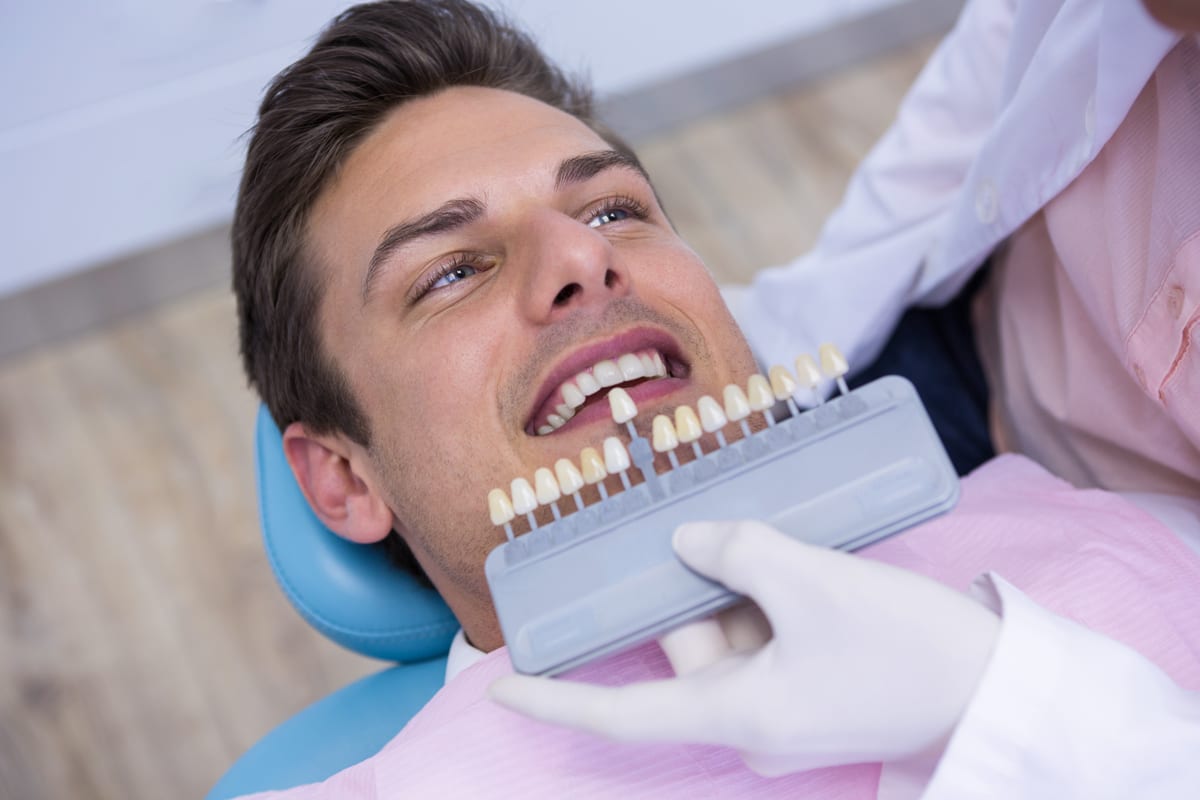
Veneers are thin porcelain or composite shells bonded to the front surface of your teeth. They correct cosmetic concerns like discoloration, minor chips, gaps, and slight misalignment. They do not replace missing teeth or fix serious structural damage. They are a cosmetic upgrade for teeth that are already reasonably healthy.
Good candidates typically want a lasting improvement to the appearance of their smile. They are committed to proper oral hygiene. They understand that veneers require some permanent enamel removal. That means the decision should be made carefully and with professional guidance.
Oakland residents searching for smile enhancement often ask whether their specific concerns qualify. The sections below cover the four key areas Dr. Sisodia evaluates during a veneer consultation.
Tooth Structure Requirements: Do You Have Enough Enamel?
Enamel is the outer layer of your tooth. Placing veneers requires removing a small amount of it — usually 0.3 to 0.5 millimeters. This makes the procedure irreversible. If your enamel is already severely worn or thin, veneers may not bond well or last long.
Teeth with significant decay or large existing restorations may not be ideal candidates either. In some cases, a dental crown offers better protection and longevity. Teeth that are heavily filled may need alternative treatment options discussed with your dentist.
If you have had Dental Fillings on the front teeth, your dentist will evaluate whether enough healthy tooth structure remains. Veneers need a solid foundation to adhere to properly. The more natural enamel you have, the better your candidacy looks.
Gum Health and Oral Hygiene: A Non-Negotiable Starting Point
Healthy gums are essential before any cosmetic dental work begins. Gum disease causes inflammation, bleeding, and eventual bone loss. Placing veneers over diseased gums leads to poor outcomes and shorter veneer lifespan. Any active gum issues must be treated first.
Patients with gingivitis may still become candidates after successful treatment. The key is resolving the infection and maintaining consistent oral hygiene. Dr. Sisodia recommends a professional cleaning before finalizing any veneer plan. This sets a clean, stable baseline for your smile makeover.
You should also be committed to brushing twice daily and flossing every day after veneers are placed. Poor hygiene can lead to gum recession and expose the veneer margins over time. Veneers reward patients who take oral health seriously.
Bite Considerations: Why Your Jaw Alignment Matters
Your bite plays a major role in veneer candidacy. If you have a severe overbite, underbite, or crossbite, veneers may experience uneven pressure. That pressure can crack or dislodge the porcelain shells prematurely. Orthodontic treatment may need to come before veneers in these cases.
Similarly, teeth grinding — known as bruxism — poses a significant risk. Grinding generates enormous force on your teeth during sleep. This force can fracture or pop off a veneer within months. Patients who grind their teeth are not automatically disqualified, but they must wear a custom night guard consistently.
For patients who need significant bite correction combined with smile enhancement, Dr. Sisodia may discuss a phased treatment plan. This could include Invisalign or other orthodontic options before veneers are placed. In some situations, Dental Implant Guided Surgery may be part of a broader restoration plan if tooth loss is also a concern.
Habits and Lifestyle Factors That Affect Candidacy
Certain daily habits directly impact how long veneers last. Nail biting, chewing ice, and opening packaging with your teeth put excessive stress on porcelain. These habits can chip or crack veneers just as they damage natural teeth. Candidates must be willing to change these behaviors.
Tobacco use also matters. Smoking and chewing tobacco can stain composite veneers and harm gum health over time. Porcelain veneers resist staining better, but the surrounding gum tissue still suffers from tobacco exposure. Patients who smoke should discuss this openly with Dr. Sisodia during their consultation.
Here is a quick self-screening checklist to use before your appointment:
- Your front teeth have mostly healthy enamel with no major decay
- Your gums are pink, firm, and do not bleed when brushing
- You do not grind your teeth — or you use a night guard consistently
- Your bite is relatively balanced with no severe misalignment
- You do not bite nails, chew ice, or use teeth as tools
- You are a non-smoker or willing to quit before treatment
If most of these apply to you, there is a strong chance you are a good candidate. A formal evaluation with Dr. Sisodia will confirm your eligibility.
Benefits of Veneers When You Are a Strong Candidate
When the right patient gets veneers, the results can be life-changing. Here are the key benefits strong candidates enjoy:
- A natural-looking, long-lasting smile improvement
- Stain resistance that keeps teeth looking bright for years
- Minimal tooth reduction compared to crowns
- Correction of multiple cosmetic issues in one treatment
- Boost in self-confidence and overall quality of life
Porcelain veneers typically last 10 to 15 years with proper care. Composite veneers may need replacement sooner but cost less upfront. Dr. Sisodia will help you choose the right material based on your goals and oral health status.
Take the Next Step Toward Your New Smile
Understanding veneer candidacy puts you ahead of most patients walking into a cosmetic consultation. You now know the key factors: enamel health, gum condition, bite alignment, and lifestyle habits. These determine whether veneers are a smart investment for your smile. The more boxes you check, the more likely you are to see beautiful, lasting results.
At Alameda Aesthetic Dentistry, Dr. Sisodia evaluates each patient with clinical precision and genuine care. He serves patients throughout the Oakland and Alameda area with honest, patient-first guidance. There is no pressure — only education and expert advice. Book Now to schedule your appointment with our team.
Frequently Asked Questions
Can I get veneers if I have cavities?
No, not immediately. Any active decay must be treated before veneers are placed. Placing veneers over untreated cavities traps bacteria and leads to further damage beneath the shell. Once the decay is resolved and the tooth is stable, Dr. Sisodia can reassess your candidacy for veneers.
Do veneers work on crooked teeth?
Veneers can mask mild misalignment in some cases. However, significant crowding or bite problems should be addressed with orthodontics first. Placing veneers on severely misaligned teeth can create uneven pressure that shortens their lifespan. Dr. Sisodia will advise whether Invisalign or another approach should come first.
How long does the veneer process take in Oakland?
The process typically takes two to three appointments over a few weeks. The first visit involves an evaluation and tooth preparation. Temporary veneers are placed while your custom shells are fabricated. At the final visit, your permanent veneers are bonded and adjusted for fit and comfort.
Are veneers painful to get?
Most patients experience minimal discomfort during the procedure. Local anesthesia is used during the enamel preparation phase. After placement, some sensitivity to hot and cold is normal for a few days. This typically resolves on its own as your teeth adjust to the new restorations.
What is the difference between veneers and crowns?
Veneers cover only the front surface of a tooth and require less enamel removal. Crowns cap the entire tooth and are used when there is significant structural damage or decay. Veneers are primarily cosmetic, while crowns serve both cosmetic and protective purposes. Dr. Sisodia will recommend the option best suited to your specific situation.