Alameda Aesthetic Dentistry
Dental Implants Candidacy in Alameda, CA

If you’ve been asking yourself, Am I ready for dental implants? Your honest candidacy checklist Chinatown — you’re in the right place. Dental implants are one of the most effective tooth-replacement solutions available today. But not everyone is automatically a candidate. Dr. Piyush Sisodia at Alameda Aesthetic Dentistry wants to give you a straightforward, honest look at what it really takes to qualify.
Many patients in the Chinatown area of Alameda, CA come to us with the same hesitation. They want a permanent solution but aren’t sure their body will support it. This guide walks through the real factors that determine candidacy — no sugarcoating, just clear information you can use.
What Makes Someone a Good Candidate for Dental Implants in Chinatown?
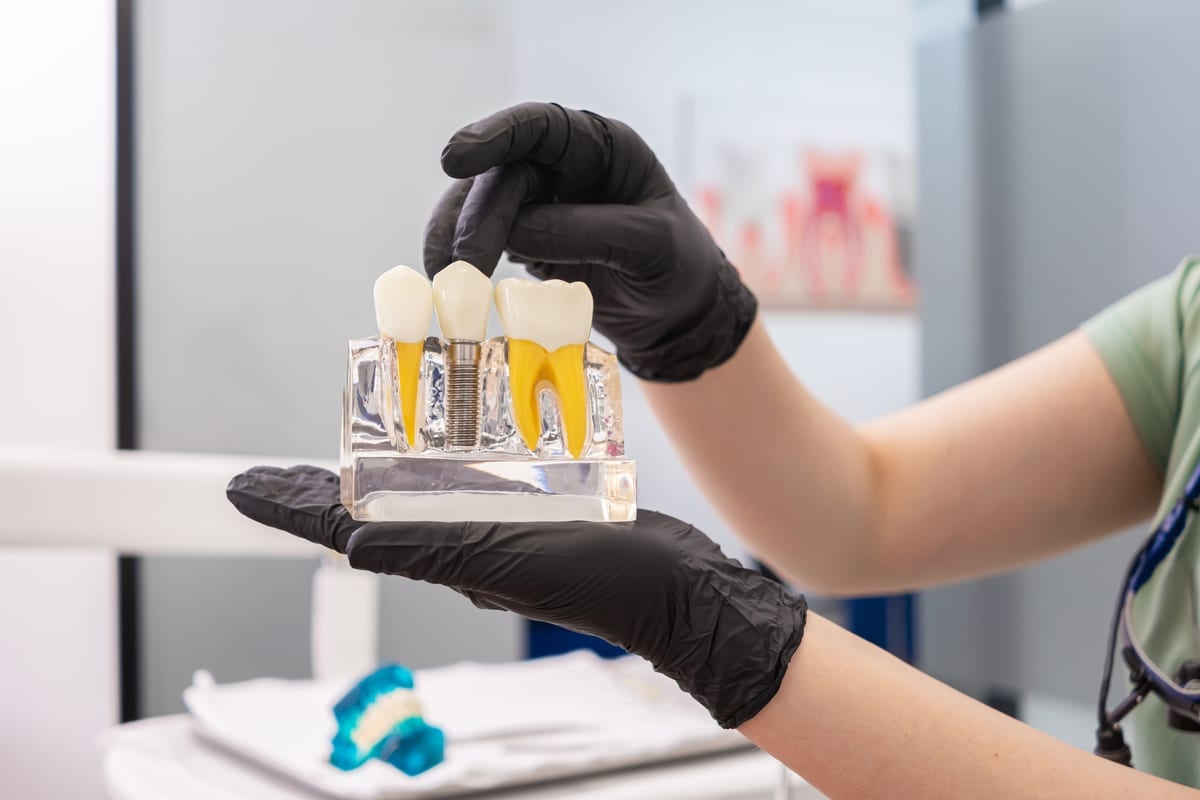
A dental implant is a titanium post placed directly into your jawbone. It acts as a replacement root for a missing tooth. Because it fuses with your bone, your body needs to support that process. Several key factors determine whether implants will work for you.
The most important factors include your bone density, your overall health, and your oral hygiene habits. Age also plays a role, but perhaps not in the way you’d expect. Let’s break each one down honestly.
- Sufficient jawbone density to support the implant post
- Healthy gums free from active periodontal disease
- Good general health with no conditions that impair healing
- Non-smoker status or willingness to quit before and during healing
- Commitment to oral hygiene and regular dental visits
- Completed jaw growth, which typically happens by the late teens
Meeting most of these criteria is a strong sign you may be a great candidate. Missing one or two doesn’t automatically disqualify you. It simply means we need to plan more carefully.
Does Age or Bone Density Affect Your Implant Candidacy?
Age is one of the most common concerns patients bring up. The honest answer is that there’s no upper age limit for dental implants. Patients in their 70s and 80s receive successful implants every day. What matters more than age is the condition of your jawbone.
Bone density decreases after tooth loss. The longer a tooth has been missing, the more bone may have resorbed in that area. This is one reason acting sooner rather than later often leads to better outcomes. However, a bone grafting procedure can sometimes rebuild lost bone and restore implant eligibility.
For younger patients, the concern is different. Implants should not be placed until the jaw has fully developed. This typically occurs around age 17 to 18 for girls and 18 to 21 for boys. Placing an implant too early can disrupt natural jaw growth.
Dr. Sisodia uses advanced imaging to evaluate your bone volume precisely. Dental Implant Guided Surgery technology allows for accurate placement even in cases with limited bone. This approach improves outcomes and reduces recovery risk significantly.
How Do Health Conditions and Smoking Impact Candidacy?
Certain health conditions can affect how well your body heals after implant surgery. This doesn’t mean these conditions disqualify you entirely. It means your care plan needs more attention and monitoring. Honest conversations with Dr. Sisodia are essential here.
Conditions that may affect candidacy include:
- Uncontrolled diabetes — elevated blood sugar impairs healing and increases infection risk
- Autoimmune disorders — conditions like lupus or rheumatoid arthritis may slow osseointegration
- Osteoporosis — especially when treated with bisphosphonate medications
- Heart disease or blood thinners — surgical planning and medical clearance are required
- Active cancer treatment — radiation near the jaw can compromise bone healing
Many patients with these conditions still receive implants successfully. The key is coordination between your dental team and your primary care physician. Managed conditions often pose much less risk than unmanaged ones.
Smoking is one of the most significant risk factors for implant failure. Tobacco use reduces blood flow to the gums and slows tissue healing. Studies consistently show higher failure rates among smokers. Dr. Sisodia will discuss this honestly and work with you if quitting is part of your plan.
It’s also worth noting that your existing dental health matters. If you have cavities or decay in surrounding teeth, those should be addressed first. Dental Fillings and other restorative care can help stabilize your oral health before implant placement begins.
What to Expect During Your Candidacy Evaluation at Alameda Aesthetic Dentistry
Your first step toward dental implants is a thorough evaluation. This isn’t a quick glance in your mouth. It’s a comprehensive assessment designed to give you a complete picture of your readiness. Dr. Sisodia takes this step seriously because proper planning leads to better results.
Here’s what your evaluation typically includes:
- Digital X-rays and 3D cone beam CT scans to measure bone volume and density
- A full oral health exam checking for gum disease, decay, or infection
- A review of your medical history and current medications
- A conversation about your goals and what you hope to achieve with implants
- A custom treatment plan tailored to your specific anatomy and health profile
This process ensures no surprises after you begin treatment. It also gives you a realistic timeline and cost estimate. Patients in the Chinatown community appreciate this transparent approach to care planning.
If you need preparatory work like bone grafting or gum disease treatment, we’ll map that out clearly. You’ll understand every phase before committing to any procedure. Informed patients make better decisions and experience less anxiety throughout treatment.
When You Might Not Be Ready Yet — And What You Can Do
Sometimes patients aren’t ready for implants right now — and that’s completely okay. There are often steps you can take to become a candidate in the future. Dr. Sisodia’s goal is to help you get there if implants are the right long-term solution for you.
If gum disease is present, we treat that first. Healthy gums are non-negotiable for implant success. If bone loss is significant, a bone graft can rebuild the foundation. These preparatory steps take time but dramatically improve your outcome.
If your diabetes is uncontrolled, working with your physician to stabilize your blood sugar can change your candidacy status. If you smoke, a quit plan supported by your healthcare team can open the door to implants within months. There is often a path forward — it just takes planning and commitment.
Your Next Step Toward a Confident, Complete Smile
Dental implants offer a life-changing outcome for the right patient. They look natural, function like real teeth, and can last decades with proper care. If you’ve been wondering whether implants are right for you, the only way to know for sure is a professional evaluation.
Dr. Piyush Sisodia and the team at Alameda Aesthetic Dentistry proudly serve patients in Chinatown and throughout the Alameda, CA area. We believe every patient deserves honest, clear answers about their options. Book Now to schedule your appointment with our team.
Frequently Asked Questions
What is the minimum age to get dental implants?
Most dental professionals recommend waiting until the jaw has fully developed before placing implants. This typically occurs around age 17 to 21, depending on the individual. Dr. Sisodia will use imaging to confirm jaw maturity before proceeding with any young patient.
Can I get dental implants if I have bone loss?
Bone loss does not automatically disqualify you from getting dental implants. In many cases, a bone grafting procedure can rebuild the necessary volume and density. Dr. Sisodia will assess your bone levels during your consultation and recommend the best preparatory steps.
Does smoking permanently disqualify me from dental implants?
Smoking significantly increases the risk of implant failure, but it does not permanently disqualify you. Patients who quit smoking before and during the healing process see greatly improved success rates. Dr. Sisodia will discuss realistic expectations and timelines based on your smoking history.
How long does the dental implant process take from start to finish?
The full implant process typically takes between three and nine months, depending on your specific needs. If preparatory procedures like bone grafting are needed, the timeline may be longer. Your custom treatment plan will include a clear timeline so you know what to expect at each phase.
Is the dental implant candidacy evaluation painful or invasive?
The candidacy evaluation is non-invasive and completely comfortable. It involves digital imaging, an oral exam, and a detailed consultation with Dr. Sisodia. No needles or surgical procedures are involved at this stage — it is purely an assessment appointment.