Alameda Aesthetic Dentistry
What You’ll Actually Feel During Your Root Canal Treatment

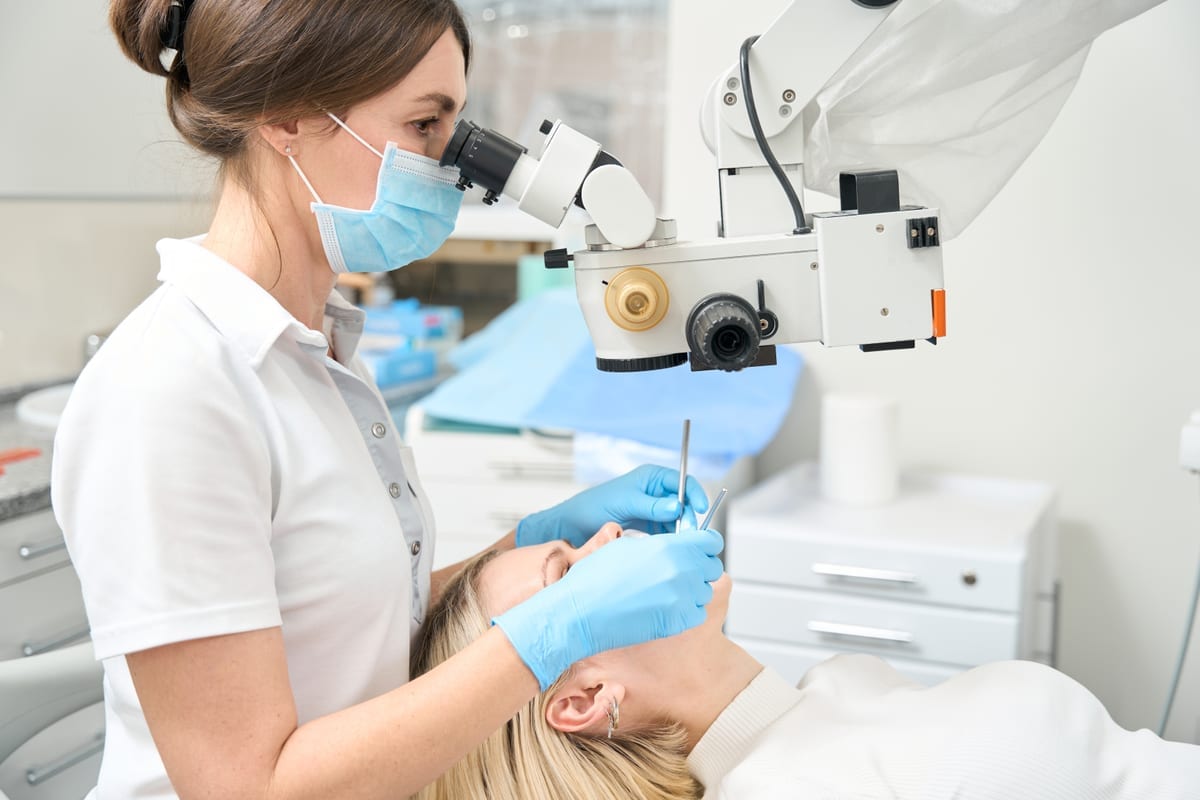
Many patients dread root canals more than almost any other dental procedure. That fear is usually built on outdated stories and guesswork — not reality. Understanding what you’ll actually feel during your root canal treatment in Alameda can change everything. Dr. Piyush Sisodia at Alameda Aesthetic Dentistry helps patients like you feel informed and at ease before they ever sit in the chair.
Modern root canal treatment is nothing like the horror stories of decades past. With today’s techniques and anesthesia, most patients describe it as no worse than getting a filling. This guide walks you through each stage of the procedure so you know exactly what to expect — sensation by sensation.
Why Root Canals Feel Very Different Today in Alameda
The biggest reason people fear root canals is the memory of past discomfort. Dental technology has advanced dramatically over the last two decades. Local anesthesia is now far more precise and effective than it used to be. Patients in Alameda benefit from gentle, modern protocols that prioritize comfort throughout.
Before Dr. Sisodia begins any work, he ensures the area is completely numb. You should feel zero sharp pain once anesthesia takes effect. If you feel anything uncomfortable during the procedure, you can always raise your hand and treatment pauses immediately. That sense of control makes a genuine difference for anxious patients.
Good Dental Care Essentials Alameda starts with open communication between you and your dentist. Telling Dr. Sisodia about your anxiety ahead of time helps him tailor the experience to your needs.
What You’ll Actually Feel During Your Root Canal Treatment Alameda: Step by Step
Breaking the procedure into clear stages removes the mystery. Here is exactly what happens — and what you’ll feel — at each point.
- Numbing injection: You’ll feel a small pinch as the anesthetic is delivered. This fades within seconds. After a few minutes, the tooth and surrounding gum become fully numb.
- Rubber dam placement: A small rubber sheet is placed around the tooth. You feel gentle pressure but no pain. It keeps the area clean and dry throughout.
- Access opening: Dr. Sisodia creates a small opening in the top of the tooth. Because the area is numb, you feel vibration and mild pressure — not pain.
- Pulp removal: Tiny instruments remove the infected or damaged pulp tissue inside the tooth. You may sense movement but should feel no discomfort.
- Canal shaping and cleaning: The canals are shaped and rinsed thoroughly. You might notice a slight sensation if a file reaches near the tip of the root, but it remains manageable.
- Filling the canals: A biocompatible material called gutta-percha is placed inside. There is no sensation at this stage because the nerve tissue is gone.
- Temporary or permanent sealing: The opening is sealed to protect the tooth. Slight pressure is normal here as well.
Most patients are surprised by how uneventful the process feels. The entire appointment often takes between 60 and 90 minutes. Straightforward cases may be completed in a single visit.
What Sensations Are Normal After the Procedure
Once the anesthesia wears off, you may notice some mild soreness. This is your body’s natural response to the work done inside the tooth. It typically peaks around 24 to 48 hours after treatment. Over-the-counter pain relievers usually manage it well.
Some patients describe a feeling of tenderness when biting down for a few days. This is normal and expected. It does not mean something went wrong. The tissue around the tooth root needs a short time to settle.
Here are sensations that are normal versus ones worth calling about:
- Normal: Mild soreness or sensitivity for 2–4 days
- Normal: Slight swelling in the gum area
- Normal: Tenderness when chewing for a few days
- Call the office: Severe pain that does not respond to pain relievers
- Call the office: Visible swelling that increases after day two
- Call the office: A feeling that the bite feels significantly off
Most post-treatment discomfort resolves within one week. Dr. Sisodia provides clear aftercare instructions before you leave the office. Following them closely speeds up your recovery.
What Comes After Your Root Canal: Protecting the Tooth
A root canal saves a tooth that might otherwise need removal. However, the tooth still needs protection to function long-term. Dr. Sisodia typically recommends placing a dental crown over the treated tooth. The crown restores full strength and prevents the tooth from cracking under chewing pressure.
If a tooth was already severely damaged before treatment, a Dental Bridges Alameda solution may be discussed as part of a longer-term restoration plan. Your specific needs guide every recommendation. Dr. Sisodia never recommends more treatment than necessary.
Attending your follow-up appointments is important. These visits confirm the infection has cleared and the tooth is healing properly. Skipping follow-ups can allow problems to go undetected for longer than needed.
Tips for Making Your Root Canal Experience Easier
Preparation helps reduce anxiety significantly. Simple steps before your appointment make a real difference in how comfortable you feel. Consider these practical tips:
- Eat a light meal before your appointment so you are not hungry during a long procedure
- Let Dr. Sisodia know about any dental anxiety before the appointment begins
- Avoid caffeine on the day of treatment — it can heighten nerves
- Arrange for someone to drive you home if you feel you may need sedation
- Bring headphones and listen to music or a podcast during treatment if it helps you relax
Dr. Sisodia and his team at Alameda Aesthetic Dentistry are trained in treating anxious patients with compassion. No question is too small. Asking about anything you are unsure of before treatment starts puts you in a much better position mentally.
Conclusion: Root Canals Are Not What You Fear
Understanding what you’ll actually feel during your root canal treatment in Alameda removes the guesswork that feeds anxiety. The procedure is controlled, gentle, and designed around your comfort at every stage. Anesthesia ensures you feel pressure and vibration — not pain. Post-procedure soreness is mild and short-lived. Dr. Piyush Sisodia at Alameda Aesthetic Dentistry is here to guide you through the process with patience and expertise. Book Now to schedule your appointment with our team.
Frequently Asked Questions
Does a root canal hurt during the procedure?
With modern local anesthesia, most patients feel only pressure and vibration — not pain. Dr. Sisodia ensures the tooth is fully numb before beginning. If any discomfort arises, treatment stops immediately so adjustments can be made.
How long does a root canal procedure take?
Most root canal treatments at Alameda Aesthetic Dentistry take between 60 and 90 minutes. More complex cases or teeth with multiple canals may require a second visit. Dr. Sisodia gives you a clear time estimate during your consultation.
What should I eat after a root canal?
Stick to soft foods for the first 24 to 48 hours after treatment. Avoid chewing directly on the treated tooth until a permanent crown is placed. Good choices include yogurt, soup, mashed potatoes, and soft pasta.
Will I need a crown after my root canal?
In most cases, yes. A crown protects the treated tooth from cracking under biting pressure and restores its full function. Dr. Sisodia will discuss the best restoration option for your specific tooth during your appointment.
Is it normal to feel soreness for several days after a root canal?
Yes, mild soreness for two to four days is completely normal. The tissues around the tooth root need time to settle after treatment. Over-the-counter pain relievers typically manage this well. Contact the office if pain is severe or worsening after day two.