Alameda Aesthetic Dentistry
What to Expect After Periodontal Treatment: Your Recovery Guide

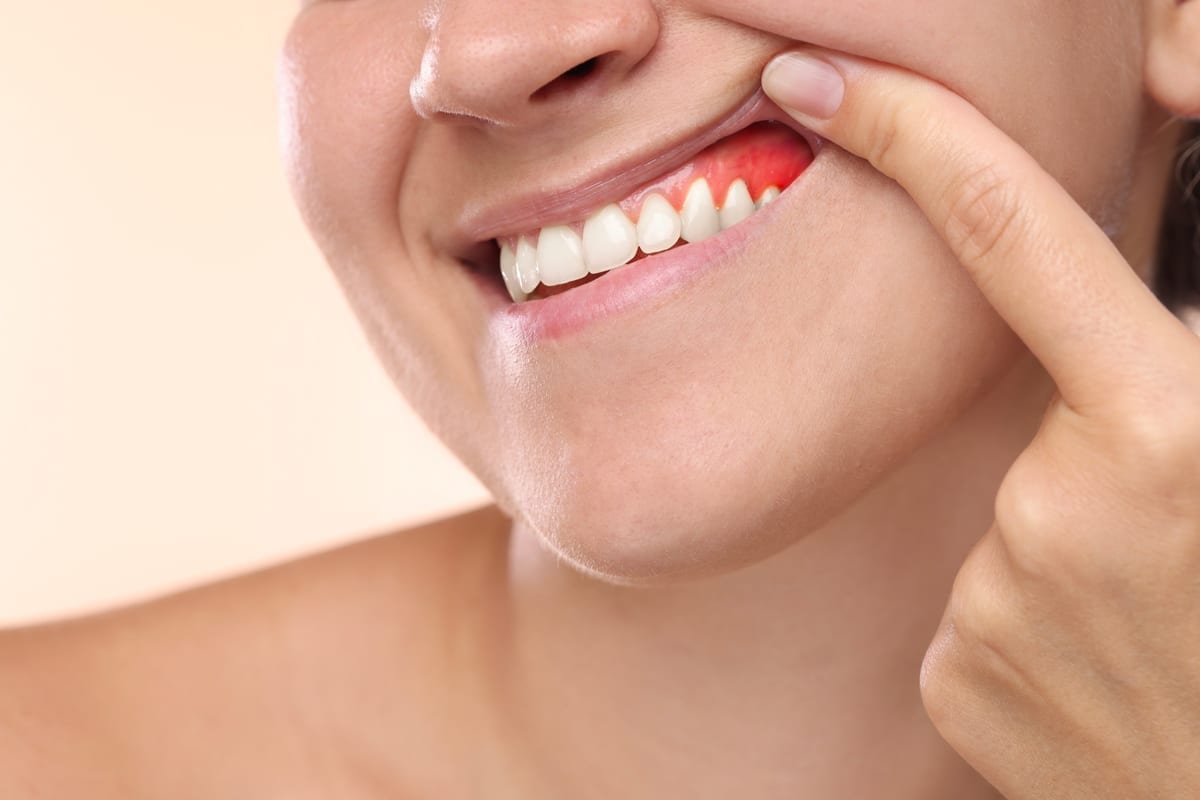
Recovering from periodontal treatment can feel uncertain — especially if it’s your first time. Knowing what to expect after periodontal treatment is your recovery guide in Chinatown to a smoother, faster healing experience. Dr. Piyush Sisodia at Alameda Aesthetic Dentistry wants every patient to feel prepared and confident after their procedure. This guide covers your recovery timeline, diet tips, pain management strategies, and warning signs to watch for.
Your Periodontal Recovery Timeline in Chinatown
Most patients experience some discomfort for the first 24 to 72 hours after periodontal treatment. Swelling and mild bleeding are completely normal during this window. By day four or five, most patients notice a significant improvement in comfort. Full gum tissue healing typically takes two to four weeks, depending on the extent of treatment.
During the first week, your gums may feel tender and sensitive. Avoid touching the treated area with your tongue or fingers. Keep up with gentle oral hygiene as instructed by Dr. Sisodia. Consistent aftercare in these early days makes a big difference in your overall outcome.
If you received scaling and root planing — a common non-surgical periodontal treatment — recovery is generally quicker. Surgical periodontal procedures may require a slightly longer healing period. Your care team will give you a personalized timeline based on your specific treatment. Always follow the discharge instructions provided at your appointment.
What to Eat After Periodontal Treatment
Your diet plays a huge role in how quickly your gums heal. Soft, cool foods are your best friends during the first few days of recovery. Hard, crunchy, or spicy foods can irritate tender gum tissue and slow healing. Sticking to gentle food choices helps you stay comfortable and supports tissue repair.
Here are some excellent food options for your recovery period:
- Yogurt, smoothies, and protein shakes
- Mashed potatoes and soft-cooked vegetables
- Scrambled eggs and oatmeal
- Applesauce and ripe, peeled fruit
- Soup broth and well-cooked pasta
Avoid very hot foods and drinks for the first 48 hours. Heat can increase swelling and discomfort in treated areas. Also avoid alcohol, which can interfere with healing and interact with any prescribed medications. Stay well hydrated with cool water throughout the day.
As you feel better in week two, you can gradually reintroduce normal foods. Pay attention to how your gums respond as you expand your diet. If chewing causes sharp pain or bleeding, scale back to softer options. Contact Dr. Sisodia’s office if discomfort continues beyond the expected recovery window.
Managing Pain and Discomfort After Your Procedure
Some degree of soreness after periodontal treatment is completely expected. Over-the-counter pain relievers like ibuprofen are often recommended to reduce both pain and inflammation. Always follow the dosage instructions on the packaging or as directed by Dr. Sisodia. Do not take aspirin, as it can increase bleeding risk.
Applying a cold compress to your cheek can help reduce swelling in the first 24 hours. Use it in 15-minute intervals — on for 15 minutes, then off for 15 minutes. After the first day, switch to warm compresses to promote circulation and comfort. This simple routine can make a meaningful difference during early recovery.
Here are additional tips to manage discomfort at home:
- Rinse gently with warm saltwater after 24 hours
- Sleep with your head slightly elevated to reduce swelling
- Avoid strenuous exercise for the first two to three days
- Avoid smoking, which delays gum tissue healing significantly
- Use any prescribed medicated rinse exactly as directed
Good Dental Care Essentials Chinatown practices are especially important during recovery. Brush gently around the treated areas using a soft-bristled toothbrush. Avoid aggressive flossing near the surgical sites until Dr. Sisodia clears you to resume. Keeping your mouth clean prevents bacteria from disrupting the healing process.
When to Call Dr. Sisodia’s Office
Some symptoms after periodontal treatment are normal — but others require professional attention. Knowing the difference helps you act quickly when something isn’t right. Dr. Sisodia and the team at Alameda Aesthetic Dentistry are always available to answer your questions. Never hesitate to reach out if something feels off during your recovery.
Contact the office right away if you experience any of the following:
- Heavy or uncontrolled bleeding that doesn’t stop with gentle pressure
- Severe or worsening pain not relieved by medication
- Fever or signs of infection such as pus or spreading redness
- Swelling that increases significantly after the first 48 hours
- A loose or lost temporary dressing placed over the treatment area
Mild bleeding when you brush or rinse is normal for a few days. However, soaking a gauze pad repeatedly with blood is not. Trust your instincts — if something feels wrong, call the office. Early attention to complications leads to faster and safer recovery outcomes.
Follow-Up Care and Long-Term Gum Health
Your periodontal treatment is just the beginning of a healthier smile. Follow-up appointments are critical to monitor how well your gums are healing. Dr. Sisodia will schedule a re-evaluation visit to measure gum pocket depths and check your tissue response. These visits help confirm that the treatment worked as intended.
Long-term success depends on consistent maintenance cleanings — often called periodontal maintenance visits. These are typically scheduled every three to four months instead of the standard six-month interval. Staying on this schedule dramatically reduces the risk of gum disease returning. Your commitment to follow-up care is just as important as the treatment itself.
If you are also considering restorative work following periodontal therapy, ask Dr. Sisodia about your options. For example, patients exploring tooth replacement may want to learn about Dental Bridges Chinatown as part of a comprehensive care plan. Healthy gums are the foundation for any restorative dental work. Treating gum disease first ensures better outcomes for future procedures.
Dr. Sisodia takes a whole-mouth approach to your care. Every recommendation is designed to protect both your gum health and your overall wellbeing. The team at Alameda Aesthetic Dentistry is here to support you through every step of your recovery. You are never alone in this process.
If you have questions about your recovery or want to schedule your follow-up visit, we are ready to help. Book Now to schedule your appointment with our team.
Frequently Asked Questions
How long does it take to recover from periodontal treatment?
Most patients feel significantly better within five to seven days after non-surgical periodontal treatment. Surgical procedures may require two to four weeks for full gum tissue healing. Your recovery timeline depends on the severity of your gum disease and how closely you follow aftercare instructions. Dr. Sisodia will give you a personalized estimate at your appointment.
Is it normal to have bleeding after periodontal treatment?
Mild bleeding during the first 24 to 48 hours is common and expected. Gentle oozing when you rinse or brush is not a cause for alarm in the early days. However, heavy or uncontrolled bleeding should be reported to Dr. Sisodia’s office immediately. Applying gentle pressure with gauze for 20 to 30 minutes can help slow minor bleeding.
Can I brush my teeth after periodontal treatment?
Yes, but you should brush very gently during recovery. Use a soft-bristled toothbrush and avoid direct pressure on the treated gum areas. Dr. Sisodia may advise you to avoid flossing near surgical sites for the first week. Your care team will give you specific oral hygiene instructions tailored to your procedure.
What foods should I avoid after periodontal treatment?
Avoid hard, crunchy, spicy, and very hot foods for the first several days of recovery. These can irritate healing gum tissue and increase discomfort. Also avoid alcohol and tobacco products, which significantly slow the healing process. Stick to cool, soft foods until your gums feel comfortable enough to chew normally.
How do I prevent gum disease from coming back after treatment?
Preventing gum disease recurrence requires consistent effort at home and regular professional care. Brush twice daily, floss daily, and use any prescribed antimicrobial rinse as directed. Schedule your periodontal maintenance visits every three to four months as recommended by Dr. Sisodia. Quitting smoking and managing systemic health conditions like diabetes also significantly lowers your risk.