Alameda Aesthetic Dentistry
Professional Teeth Cleaning in Alameda, CA

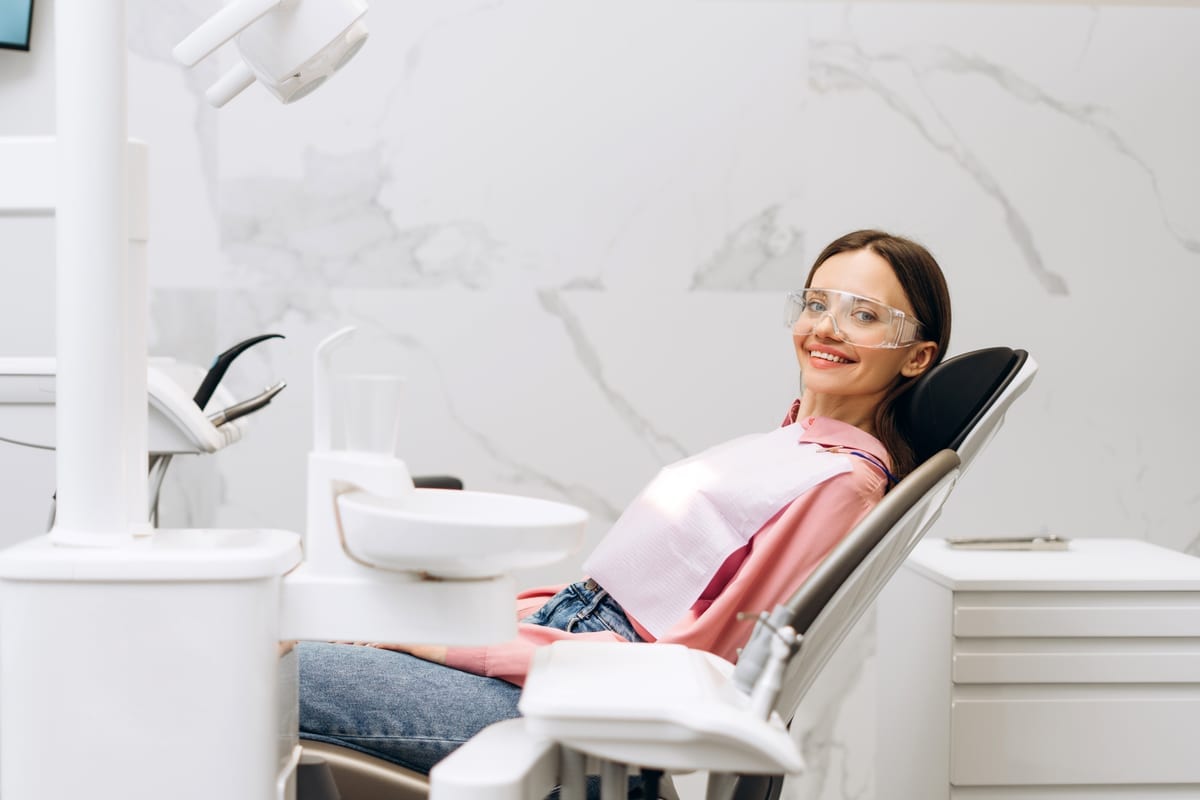
Have you ever sat back in the dental chair and wondered exactly what your hygienist is doing? Understanding inside your professional cleaning — what each tool actually does in Alameda — can make your appointment feel far less mysterious. At Alameda Aesthetic Dentistry, Dr. Piyush Sisodia and his team believe informed patients are healthier patients. So let’s walk through your cleaning visit, one tool at a time.
Step One: The Exam and Mouth Assessment
Before any cleaning begins, your hygienist takes a careful look around your entire mouth. This initial assessment checks your gum tissue, existing restorations, and soft tissue health. They are looking for signs of inflammation, recession, or anything unusual that needs attention.
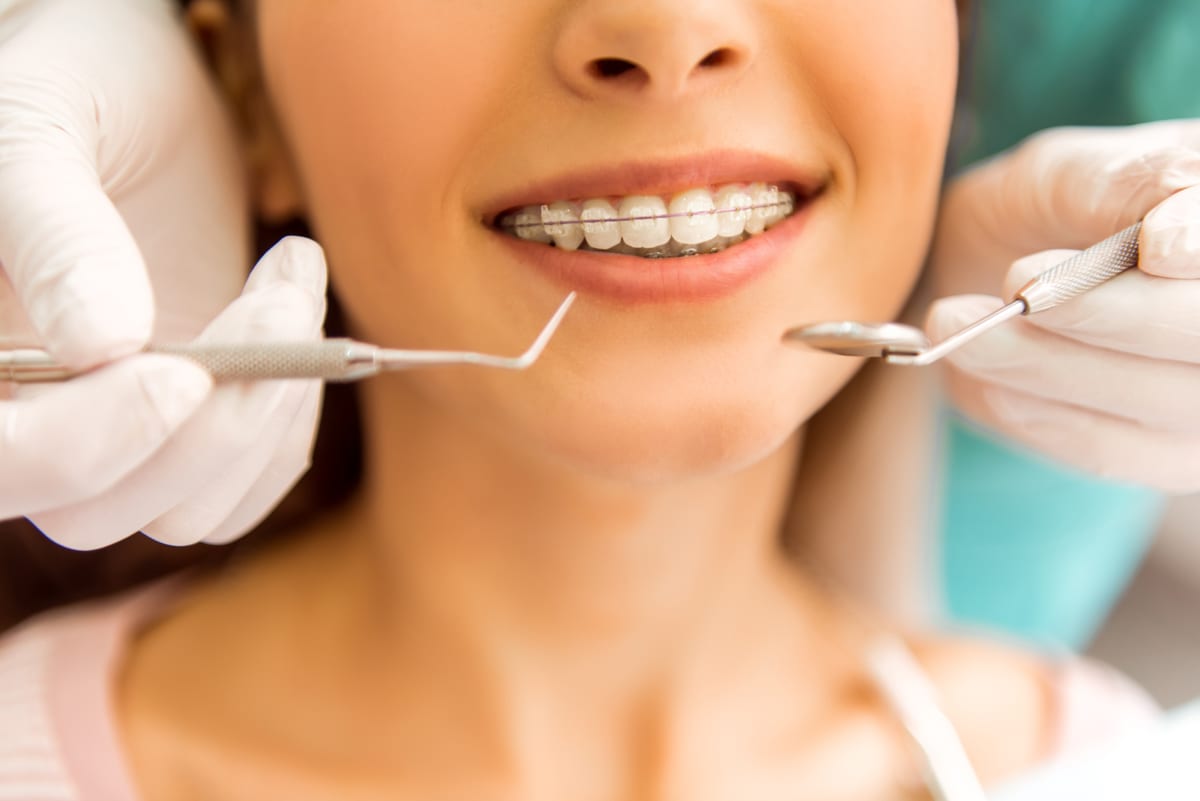
Small hand-held instruments called mouth mirrors and explorers make this exam possible. The mirror reflects light into hard-to-see areas. The explorer — that thin, curved metal pick — gently checks for soft spots on enamel surfaces that could signal early decay.
If decay is found early, a simple Dental Fillings procedure can address it before it becomes a larger problem. Early detection during a routine cleaning is one of the biggest reasons these appointments matter so much.
The Scaling Tools: What Each One Removes
Scaling is the core of every professional cleaning. This is where hardened deposits — called tartar or calculus — get removed from your tooth surfaces. Tartar cannot be brushed away at home. Only professional instruments can safely dislodge it.
Your hygienist may use two types of scaling tools:
- Ultrasonic scaler: A vibrating tip paired with a water spray. It loosens large tartar deposits quickly and flushes bacteria out of gum pockets.
- Hand scalers (curettes): Thin metal instruments with curved ends. They scrape residual buildup from surfaces the ultrasonic may have missed.
- Gracey curettes: A specialized type of hand scaler shaped for specific areas, like tight spaces between teeth or along the gumline.
The water spray from the ultrasonic keeps your tissues cool. It also washes debris away so your hygienist maintains a clear line of sight throughout the process.
You may feel mild sensitivity during scaling, especially near the gumline. This is completely normal. If you experience discomfort, always let your hygienist know. They can adjust their technique or offer numbing options.
Polishing, Flossing, and the Final Touches
After scaling, your hygienist uses a rubber cup prophy angle attached to a slow-speed handpiece. This tool spins a gritty paste — called prophylaxis paste — across every tooth surface. The paste buffs away surface stains and smooths enamel, making it harder for plaque to re-attach quickly.
Polishing is not purely cosmetic. Smooth tooth surfaces resist bacterial adhesion better than rough ones. The result is a cleaner mouth that stays cleaner longer between appointments.
Next comes flossing. Your hygienist guides floss between every contact point to clear any remaining paste or debris. They also assess how your gum tissue responds — healthy gums should not bleed significantly during flossing.
A fluoride treatment often follows as the final step. Fluoride strengthens enamel and provides short-term protection against acid attacks. It comes as a foam, gel, or varnish applied directly to tooth surfaces for about one minute.
What Your Hygienist Is Really Looking For in Alameda
Beyond plaque and tartar, your hygienist monitors several health indicators throughout your visit. Understanding what they watch for helps you appreciate each part of the appointment.
Here is what the team at Alameda Aesthetic Dentistry evaluates during a standard cleaning:
- Periodontal pocket depth: A small probe measures the space between your gum and tooth. Numbers above 3mm may indicate early gum disease.
- Gum bleeding: Bleeding upon probing signals inflammation and possible infection requiring follow-up care.
- Bone loss patterns: Combined with X-rays, pocket readings help identify bone changes linked to periodontitis.
- Oral cancer screening: Your hygienist examines lips, cheeks, tongue, and throat for unusual sores or tissue changes.
- Bite and wear patterns: Unusual enamel wear may indicate grinding or bite misalignment.
If any significant bone loss or advanced gum disease is detected, your care plan may expand. For patients who have lost teeth due to gum disease or other causes, Dental Implant Guided Surgery is one restorative option Dr. Sisodia may discuss with you.
How Often Should Alameda Patients Come In?
Most patients benefit from professional cleanings every six months. However, your individual needs may differ based on your oral health history. Patients with a history of gum disease may require more frequent visits — typically every three to four months.
Regular appointments allow your hygienist to catch problems early. Small issues addressed quickly are far less complex to treat than advanced disease discovered years later. Consistency is truly one of the most powerful tools in preventive dentistry.
Between visits, your home care routine makes a significant difference. Brushing twice daily with a soft-bristled brush and flossing once daily removes the plaque your hygienist cannot reach between appointments.
Conclusion: Your Cleaning Is More Than Just Polishing
A professional dental cleaning is a thorough, multi-step process designed to protect your whole-mouth health. From the initial exam to scaling, polishing, and the final fluoride treatment, every tool your hygienist uses serves a specific purpose. Understanding inside your professional cleaning — what each tool actually does in Alameda — transforms a routine appointment into an experience you can appreciate and trust.
At Alameda Aesthetic Dentistry, Dr. Piyush Sisodia and his dedicated team take time to explain every step before they begin. We are proud to serve the Alameda, CA community with honest, patient-centered care. Book Now to schedule your appointment with our team.
Frequently Asked Questions
Does a professional cleaning hurt?
Most patients experience little to no discomfort during a routine cleaning. You may feel mild pressure or sensitivity near the gumline during scaling. If you have sensitive teeth or significant buildup, your hygienist can offer topical numbing gel to improve your comfort throughout the appointment.
How long does a professional dental cleaning take?
A standard cleaning appointment at Alameda Aesthetic Dentistry typically takes between 45 and 60 minutes. If you need X-rays or have a more complex buildup situation, the appointment may run slightly longer. Your hygienist will give you a realistic time estimate when you arrive.
What is the difference between a regular cleaning and a deep cleaning?
A regular prophylaxis cleaning maintains healthy gum tissue and removes buildup above and just below the gumline. A deep cleaning — also called scaling and root planing — extends below the gumline to treat active gum disease. Dr. Sisodia will recommend the appropriate cleaning type based on your periodontal measurements and overall gum health.
Why do my gums bleed during cleaning?
Bleeding gums are usually a sign of inflammation caused by plaque and bacteria buildup along the gumline. This is often early gum disease, called gingivitis. Regular professional cleanings combined with consistent home care typically resolve gingivitis-related bleeding within a few weeks.
Can a professional cleaning whiten my teeth?
Polishing during your cleaning removes surface stains from coffee, tea, and food, which can brighten your smile noticeably. However, this is different from cosmetic teeth whitening, which changes the underlying tooth color. If you want a more dramatic result, Dr. Sisodia can discuss professional whitening options with you at your visit.